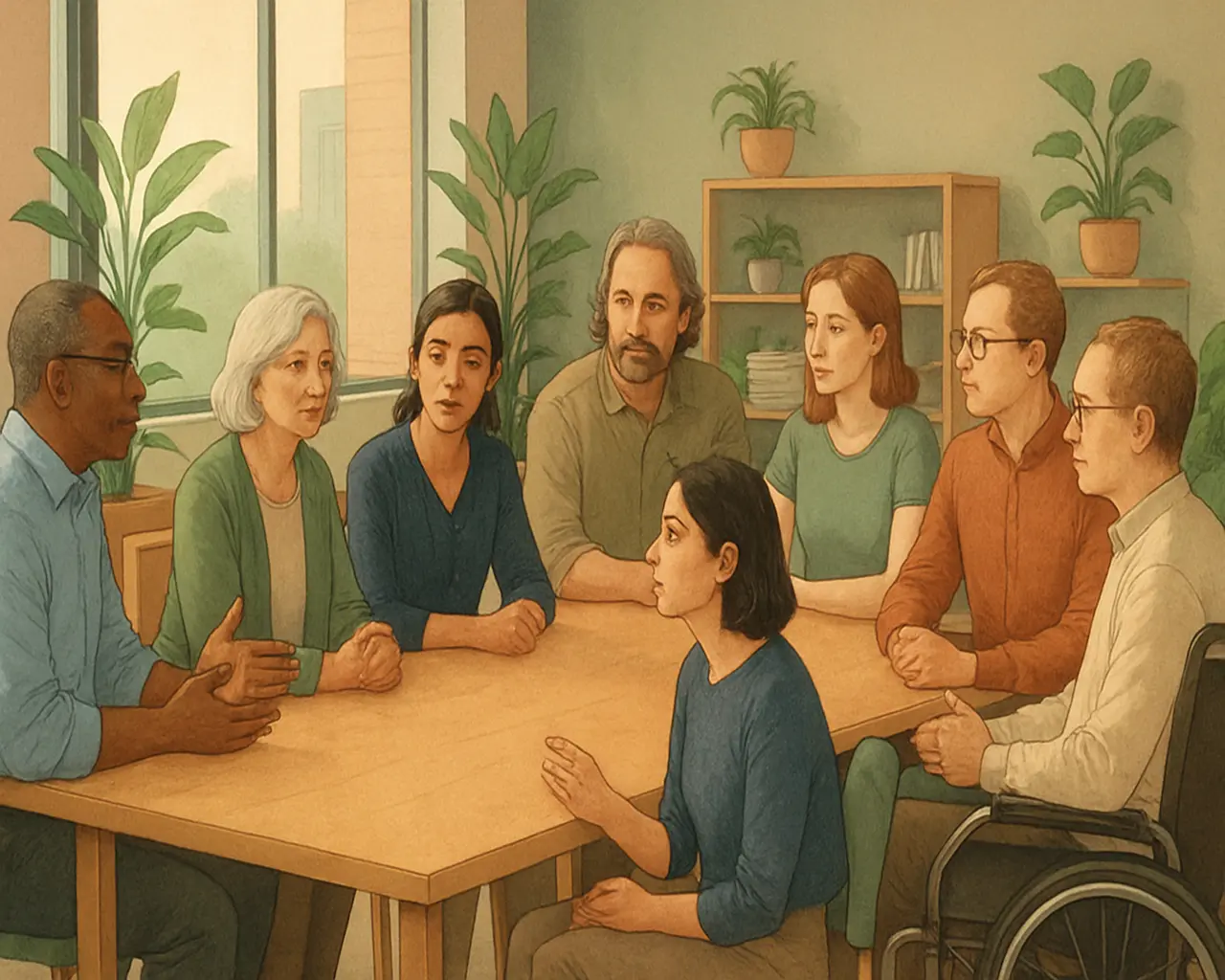
When people feel like they truly belong—when they’re seen, valued, and safe to be themselves—they show up differently. They contribute more. They collaborate better. They grow alongside each other, not in spite of one another.
Inclusion isn’t a box to check or a buzzword to toss around. It’s not a one-and-done workshop or a “diversity hire.” It’s a daily practice—a mindset shift.
And it’s not just good for people—it’s good for business.
Teams that feel included and safe don’t just survive—they thrive. They innovate faster, retain top talent, and adapt better to change. I’ve seen companies reduce turnover, boost engagement, and drive profits by intentionally fostering a culture of belonging.
Let me share a story.
I once worked with a CEO who thought his culture was already inclusive. During a team session, a quiet but brilliant team member finally shared that she didn’t feel safe contributing ideas—because, in her words, “No one here listens to someone like me.”
That moment was a wake-up call.
The CEO leaned in. He asked her what needed to change.
Together, they built a culture of listening and respect.
Within months, the company saw a noticeable uptick in engagement, collaboration, and new ideas. It wasn’t magic. It was a mindset.
How do you put this into practice?
✅ Go Beyond the Numbers. It’s not about how diverse your team looks on paper—it’s about creating an environment where every voice is welcomed and valued. Are you just hiring diversity, or listening to it?
✅ Make Space for Quiet Voices. Sometimes the most powerful insights come from the person who hasn’t spoken yet. In meetings, say: “We haven’t heard from you—what’s your take?” It’s a small shift with a big impact.
✅ Check Your Blind Spots. We all have them. Great leaders ask: “What am I not seeing?”—and then listen without defensiveness. This is where trust is built.
✅ Celebrate Uniqueness. Diversity isn’t something to tolerate—it’s something to celebrate. Share stories that reflect the beautiful range of experiences on your team. When people know their differences are seen as strengths, they show up with more of themselves.
✅ Lead with Empathy. Inclusion isn’t always a grand gesture. Sometimes it’s as simple as asking, “How are you, really?”—and listening. When people feel heard, they lean in. When they feel ignored, they check out.
Key Takeaways for Leaders and Entrepreneurs:
✔ Belonging fuels collaboration, innovation, and retention.
✔ Inclusion isn’t built on mission statements—it’s built on daily moments of intention.
✔ Your leadership sets the tone—make sure it’s one of openness and respect.
Your 5-Minute Leadership Challenge:
Before your next meeting, jot down the name of one person on your team whose voice isn’t often heard. Make a point to invite their input. Just one person, one meeting. It’s a small step, but it creates a ripple.
Inclusivity doesn’t have to be perfect. It just needs to be intentional. Because when people feel they belong, they don’t just participate—they thrive.
With purpose,