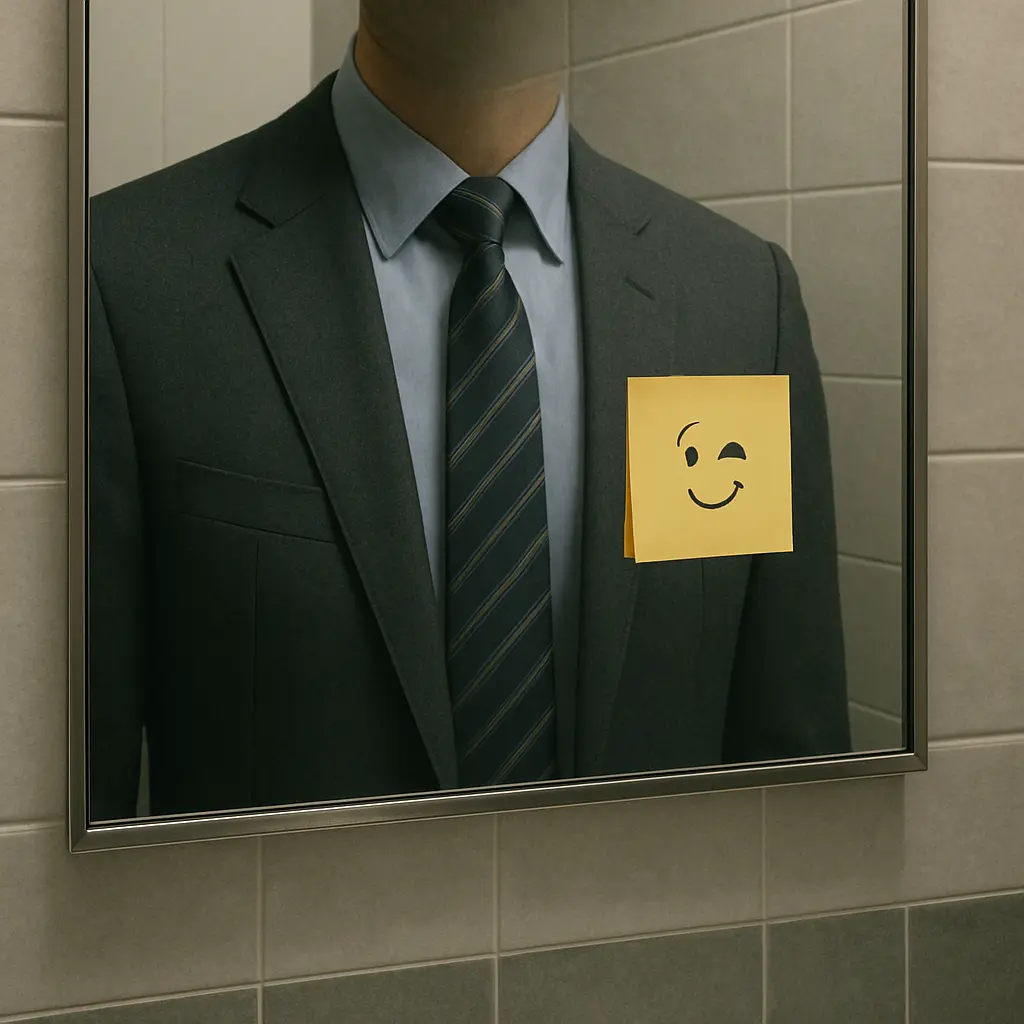
Let’s challenge a quiet belief that holds back a lot of good leaders: To be taken seriously, you must be serious all the time.
A little lightness doesn’t diminish your leadership—it strengthens it.
Humor, when used intentionally and with empathy, is one of the most underutilized tools in a leader’s toolkit. It’s not about cracking jokes or putting on a show—it’s about creating a space where people can breathe, connect, and show up more fully.
Why Humor Matters in Leadership:
- **It builds a connection.
**A genuine laugh disarms tension and reminds people that behind every role is a human being. Humor helps bridge gaps between levels, departments, and personalities. - **It eases tension.
**In high-pressure environments, humor permits people to exhale. You’re not dismissing challenges—you’re simply reminding your team that challenges don’t define them. - **It creates resilience.
**Teams that can laugh together through uncertainty become tighter and more adaptive. Humor becomes a way of saying, “We’ve got this. Together.” - **It sparks creativity.
**People are more likely to contribute bold or unconventional ideas when they feel relaxed and at ease. Playfulness can lead to breakthroughs. - **It keeps things in perspective.
**Humor helps us zoom out, see the bigger picture, and remember that no single moment defines the journey.
Know Your Audience
Humor is subjective. What works in one team might fall flat in another. And humor isn’t just about what you say—it’s also about how you say it. A well-placed joke can create connection, but if misjudged, it can alienate or create discomfort.
The Risk of Misreading Timing and Tone
Humor is powerful, but it’s easy to misjudge. While it can build trust and lighten the mood, humor used at the wrong time, or in the wrong way, can also create barriers rather than break them. Here are some blind spots leaders should be aware of:
- Context matters. Humor works best when it aligns with the moment. In a brainstorming session, humor can spark creativity. But in a crisis or during a difficult conversation, humor might seem trivializing. Understanding the difference is key.
- Personal sensitivities. Humor is subjective. What lands well with one person might feel alienating to another. Be aware of your team's mood and individual sensitivities.
- Tone over content. It's not just what you say—it’s how you say it. Sarcasm or a poorly-timed joke can come off as dismissive, even when the intent is harmless. Always check the tone and gauge the response.
- Vulnerability and authenticity. Humor should be used to create space for connection, not to avoid hard conversations or hide behind discomfort. If humor feels inauthentic or forced, it can undermine your credibility.
As a leader, self-awareness is your best ally in ensuring humor is used thoughtfully. If you’re unsure whether humor is appropriate, trust your instincts and assess the room.
Key Takeaways for Leaders:
- Humor fosters emotional connection and psychological safety.
- A touch of lightness in leadership helps build stronger, more innovative teams.
- You don’t have to be funny—just willing to create space for levity.
Your 5-Minute Leadership Challenge:
Before your next meeting, find one way to bring lightness into the room—a funny story, an unexpected observation, or just a smile. Watch how it shifts the energy, helps your team relax, and opens up new opportunities for creativity.
Final Thought:
In a world that often feels too heavy, leaders who bring grounded lightness are the ones who stand out. You don’t lose authority by showing warmth; you gain influence by creating space where people can breathe, connect, and contribute.
Lead with laughter,
Todd Palmer
Expanded Blind Spot:
By incorporating humor thoughtfully, you invite deeper engagement and foster a more authentic team culture. However, humor, when misused or misjudged, can create an unintended distance. Remember, timing, tone, and empathy are your guiding principles. Humor is a tool that must be wielded with care to ensure it enhances, not detracts from, the leadership dynamic.